I love planning. I’ve spent years collecting beautiful planners and scrawling appointments, to-lists, and goals using colorful pens and stickers.
And yet, I suck at following plans.
My writing is no different. I’ve really tried to plot. I’ve watched webinars, bought books, and implemented systems, all to write more efficiently. To do things right. To be more like everyone else who has it all together.
So in 2021, I meticulously outlined a book scene by scene. Months later, when it came time to draft it, I knew all my planning would pay off.
At the end of that first day of drafting, I had written zero words.
NONE.
Frustrated doesn’t begin to describe the feeling.
Three days later, I started drafting an entirely different story with only the vague premise of a woman who goes to work for a playboy billionaire without knowing the Indecent Proposal-type agreement between him and her husband. Three years, several drafts, and five title changes later, THERE’S ALWAYS A PRICE became my debut.
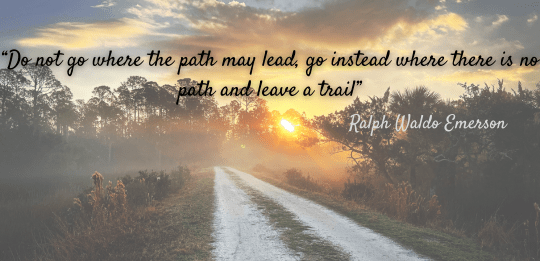
Not following a plan doesn’t mean there isn’t one. For me, it means I can’t see or feel it until I dive in. Like taking the first step into a wooded area where the path isn’t obvious. I might have to trample some ground cover and slice through the overgrowth, but at some point, the path will become clear—even if I have to cut it.
I’ve stopped working against my natural tendency to write intuitively. Now I embrace it. I view every word I write, even what I cut, as serving the story or my process in some way. Nothing is wasted.
Since 2021, I’ve drafted three more books, including that one I meticulously plotted but couldn’t write. I finally finished it last week and sent it off to my fabulous copy editor. It doesn’t look anything like that outline, and that’s a good thing. Because as I’ve learned, not following a plan is the perfect plan for me.

 jensinclairwrites.com